
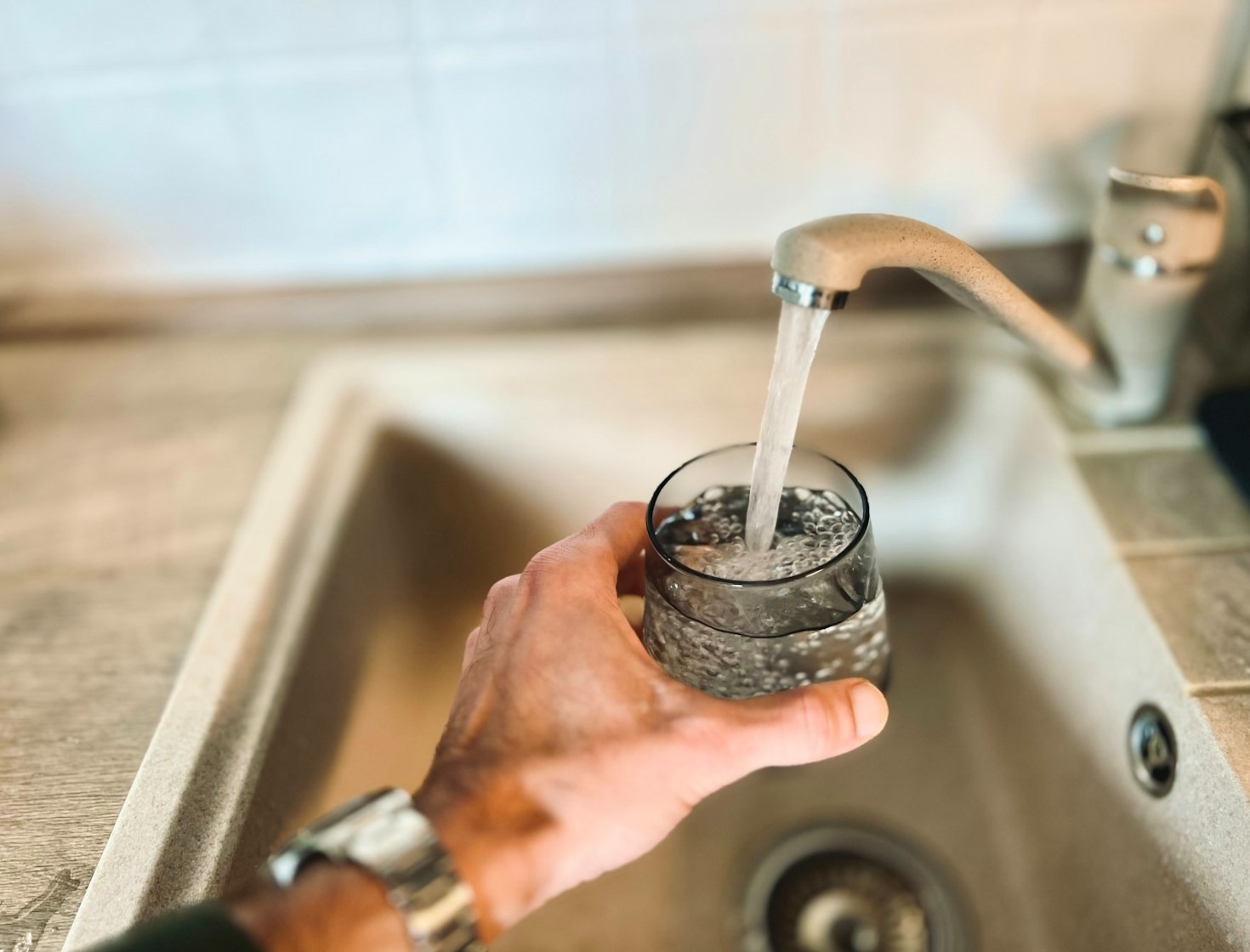
We use tap water for everything: coffee, cooking, brushing our teeth, and filling our pets’ bowls. While municipal water systems are generally tightly regulated, contaminants can enter the water supply through aging infrastructure, pipe corrosion, or local runoff.
If you have ever wondered what is actually coming out of your faucet, here are five steps you can take to ensure your water is safe for you and your family.
Curious about your local water? Check our US Water Database to see contaminants in your Zip Code.
1. Read Your Local Consumer Confidence Report (CCR)
Every year by July 1st, community water suppliers are required by law to provide an annual water quality report, often called a Consumer Confidence Report (CCR).
Where to find it: You can usually find this on your local water utility’s website or by searching the EPA’s online database.
What it tells you: It lists regulated contaminants found in your water, the levels at which they were detected, and how those compare to EPA standards.

2. Use Your Senses (Look, Smell, Taste)
Before you buy a test kit, simple observation can give you immediate clues.
Smell: A “rotten egg” smell indicates sulfur. A strong chlorine smell is common but can be removed with a filter.
Cloudiness: Water that looks milky but clears up after sitting for a minute usually just has trapped air bubbles, which are harmless. If it stays cloudy, it could indicate dirt or pathogens.
Color: Brown or yellow tints often suggest rust from aging pipes. Blue or green stains on your sink could mean copper corrosion.
3. Test Your Water
If you have a private well (which is not regulated by the EPA) or live in a home with very old plumbing, testing is crucial.
Lab Testing: For a definitive answer, send a sample to a state-certified laboratory. This is the only reliable way to detect invisible, odorless threats like lead, arsenic, or PFAS (“forever chemicals”).
DIY Strips: Affordable and quick, these strips can test for hardness, pH, and common minerals like iron or copper. They are good for a rough estimate but less precise for dangerous toxins.

4. Check Your Home’s Plumbing
Even if the water leaving the treatment plant is perfect, it has to travel through miles of pipe to get to you.
Flushing: If you have not used a tap for six hours or more, let the cold water run for 1 to 2 minutes before using it for drinking or cooking. This flushes out water that has been sitting in contact with pipes and reduces potential lead exposure.
Lead Pipes: Homes built before 1986 are more likely to have lead pipes or lead solder. You can check your service line (where water enters your home) by scratching the pipe with a coin. If it is soft and turns shiny silver, it might be lead.
5. Filter Strategically
Do not just buy the first pitcher you see. Choose a filter certified to remove the specific contaminants found in your water report.
Certification: Look for “NSF/ANSI” certifications on the packaging to ensure the filter actually performs as claimed.
Standard Pitchers: Great for taste and removing chlorine, but often ineffective against lead or viruses.
Reverse Osmosis (RO): These under-sink systems are the gold standard for removing a wide range of contaminants, including arsenic and heavy metals, though they can be more expensive to install.
The Bottom Line
Safe water is a fundamental part of a healthy home. By taking a few minutes to review your local report or investing in a simple test, you can drink with confidence.